Foods and the prostate: what to limit, what is not proven and what to ask
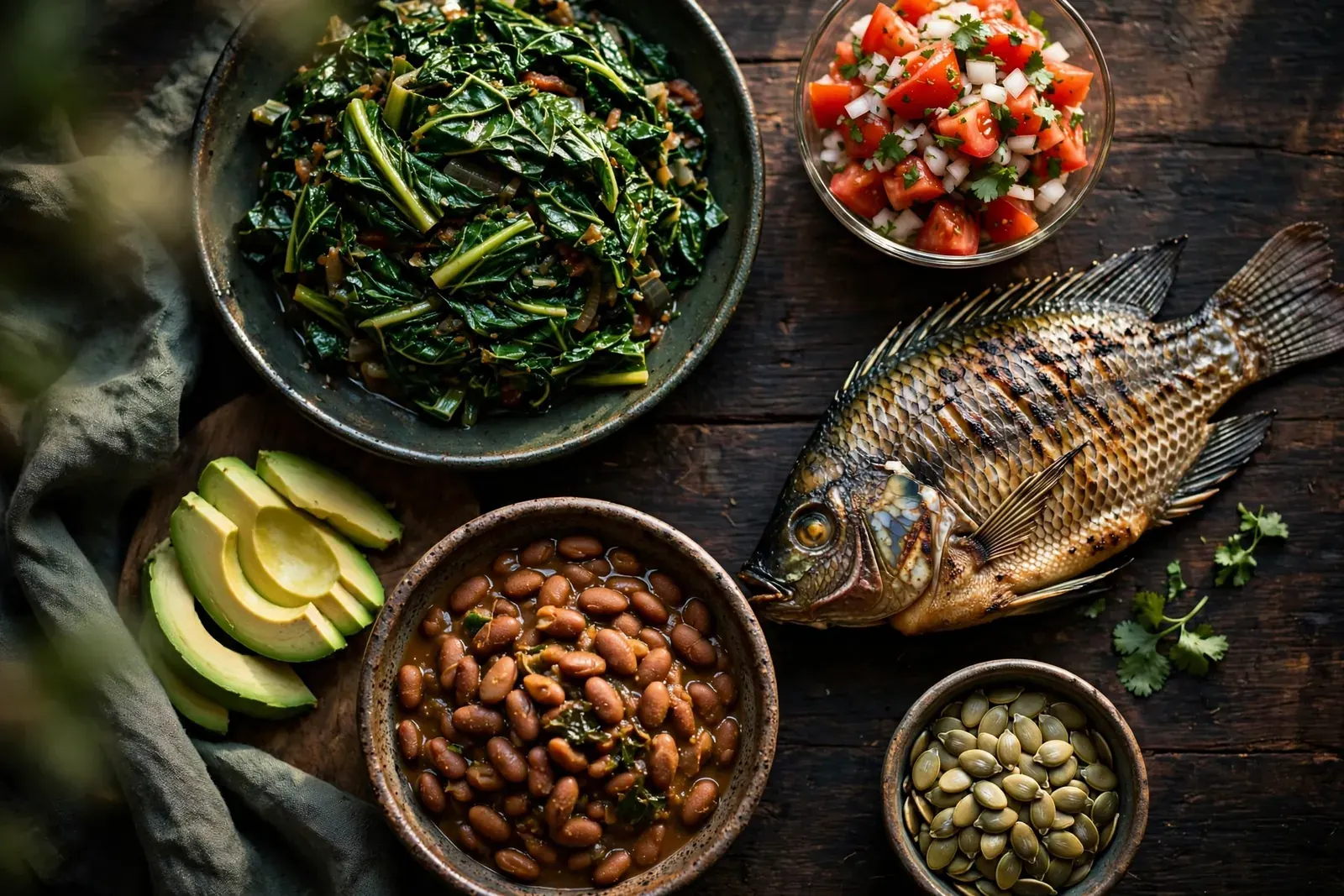
Men often ask which foods to eat or avoid for the prostate. Here is what NIDDK, the US National Cancer Institute and the NHS actually say, what is only a habit that may ease night-time trips to the toilet, and what is not known.
Request a call backKey points
- No food has been shown to treat or protect the prostate; NIDDK says researchers have not found eating or nutrition to cause or prevent BPH.
- Cutting down on alcohol and caffeine may reduce how often you need to urinate. That is about urine, not about the size of the gland.
- The National Cancer Institute says it is not known whether less fat or more fruit and vegetables lowers the risk of prostate cancer.
- Two studies found vitamin E taken alone and 1 mg folic acid supplements linked with a higher risk of prostate cancer, so ask a doctor before taking vitamin pills for the prostate.
In one line: There is no prostate diet; eat a normal mixed diet, go easy on alcohol and caffeine, and see a doctor about symptoms.
Which foods are good or bad for the prostate?
The honest answer is that no food has been proven good or bad for the prostate. NIDDK says researchers have not found eating, diet or nutrition to cause or prevent an enlarged prostate, though changes in what you eat and drink could help lessen some symptoms. For cancer, the National Cancer Institute says it is not known whether less fat or more fruit and vegetables lowers the risk.
So there is no list of "prostate foods" to buy. What the sources do support is smaller: some drinks make you pass urine more often, and some vitamin pills have a downside. The table sets out each point with its source.
What do the sources say about each food and drink?
Most statements are cautious: "may" and "not known" appear often. We show each one next to its source, so you can see how strong it is. Only the first row is advice for symptoms; the rest are findings about prostate cancer risk or bladder irritation.
| Topic | What the source says | Source and what it is about |
|---|---|---|
| Alcohol and caffeine | "You can also decrease the number of times you need to urinate by avoiding or reducing alcohol and caffeine intake." | NIDDK, enlarged prostate (June 2024): urinary symptoms, not gland size |
| Fat, fruit and vegetables | "It is not known if decreasing fat or increasing fruits and vegetables in the diet helps decrease the risk of prostate cancer or death from prostate cancer." | NCI, prostate cancer prevention (October 2023) |
| Dairy and calcium | "A diet high in dairy foods and calcium may cause a small increase in the risk of prostate cancer." | NCI (October 2023): a diet high in both, small and uncertain |
| Folate and folic acid | Risk rose in men who took 1 mg folic acid supplements, "However, the risk of prostate cancer was lower in men who had enough folate in their diets." | NCI (October 2023): a 10-year study |
| Vitamin E and selenium pills | Vitamin E taken alone "increased the risk of prostate cancer"; selenium alone or with vitamin E "did not decrease" it. | NCI (October 2023): the SELECT trial |
| Spicy, acidic and sweetened foods | Many people find alcohol, spicy foods, chocolate, artificial sweeteners and citrus drinks may contribute to bladder irritation. "No direct scientific evidence links nutrition to making UI better or worse." | NIDDK, bladder control (July 2021): about leaks, not the prostate |
Sources read on 28 November 2026. UI means urinary incontinence. NIDDK states that physical activity may help reduce the risk of BPH, and that no way to prevent it has been found.
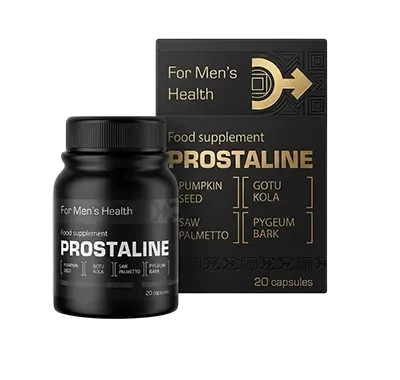
Prostaline
Food supplement in capsules, 20 capsules
- Two fields only: name and mobile number
- Food supplement in capsules, 20 per pack
- Payment and delivery are confirmed by phone
- Available to order: the request goes to the seller
What does this mean for vitamins and supplements?
It means that "more" is not always safer. In the SELECT trial, vitamin E taken alone increased the risk of prostate cancer, and a 10-year study linked 1 mg folic acid supplements with a higher risk, while enough folate from food was linked with a lower one. Ask a doctor before taking vitamin pills for the prostate.
This is also why we do not call any plant capsule a substitute for a meal or for a check-up. See what the research says about the four plants in Prostaline before you buy anything.
What can you do about food and drink if you wake at night?
If your problem is passing urine often, the evidence-backed steps are about drinks and timing, not about special foods. These come from NIDDK and the NHS advice for an enlarged prostate. They may reduce how often you go, but they do not change the prostate.
- Cut down on alcohol and caffeine (NIDDK).
- Drink less in the hours before bed and before going out, but drink enough through the rest of the day (NHS).
- Do not cut fluids too far: very little drinking can lead to urinary infections.
- Keep a 3-day bladder diary and take it to your doctor.
- Stay physically active (NIDDK: it may help reduce the risk of BPH).
If symptoms are new, getting worse, or come with blood in the urine, pain or fever, see a doctor rather than changing your diet.
What do we not know about food and the prostate?
A lot. The sources that say "not known" are as important as the ones that give advice, because they stop us from inventing rules. This table lists the common claims we could not support.
| Claim you may hear | What we found |
|---|---|
| A "prostate diet" exists | No source we checked describes one. NIDDK found no diet that causes or prevents BPH |
| A particular food shrinks the gland | We found no source that says so |
| Eating more fruit and vegetables lowers cancer risk | NCI says this is not known |
| Pumpkin seeds help | EMA lists pumpkin seed only for traditional use. See the pumpkin seed page for the studies |
Frequently asked questions
Which foods should I avoid with an enlarged prostate?
No food has been shown to cause or prevent BPH, says NIDDK. Alcohol and caffeine can make you pass urine more often, so cutting down may help with night-time trips to the toilet.
What is the best food for prostate health?
We found no source naming one. The National Cancer Institute says it is not known whether less fat or more fruit and vegetables lowers the risk of prostate cancer.
Is dairy bad for the prostate?
The National Cancer Institute says a diet high in dairy foods and calcium may cause a small increase in the risk of prostate cancer. The wording is cautious and applies to high intake.
Should I take vitamin E or folic acid for the prostate?
Ask a doctor first. The National Cancer Institute reports that vitamin E taken alone increased the risk of prostate cancer in the SELECT trial, and that 1 mg folic acid supplements were linked with a higher risk in a 10-year study.
Do pumpkin seeds help the prostate?
EMA lists pumpkin seed only for traditional use. The largest trial found a difference the authors call descriptive for the seed, and none for the extract. See the pumpkin seed page.
Sources
- NIDDK: Enlarged prostate (benign prostatic hyperplasia), reviewed June 2024, viewed 28 November 2026
- NCI: Prostate cancer prevention (PDQ), updated 20 October 2023, viewed 28 November 2026
- NIDDK: Prevention of bladder control problems and bladder health (reviewed July 2021), viewed 28 November 2026
- NHS: Enlarged prostate (reviewed 8 April 2025), viewed 27 November 2026
- NCCIH Clinical Digest: Benign prostatic hyperplasia and complementary approaches (January 2022), viewed 27 November 2026
Prostaline
Food supplement in capsules, 20 capsules
- Two fields only: name and mobile number
- Food supplement in capsules, 20 per pack
- Payment and delivery are confirmed by phone
- Available to order: the request goes to the seller